
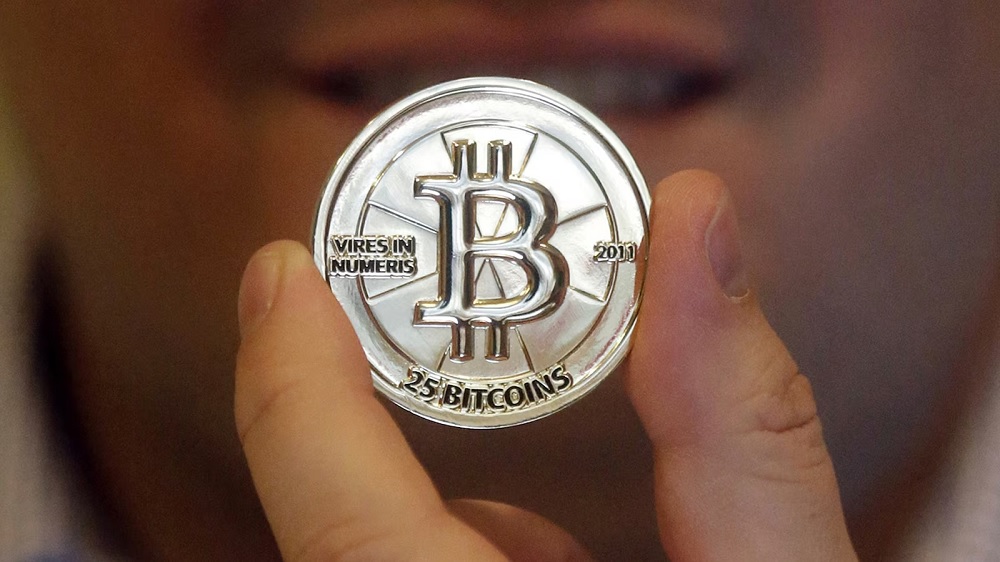
Introduction: A New Dawn in Financial History
In the annals of economic history, few inventions have stirred as much debate, fascination, and promise as Bitcoin. Heralded by its supporters as the next logical step in the evolution of money, Bitcoin is more than just a digital currency — it is a philosophy, a rebellion against centralized monetary control, and, perhaps, a glimpse into a decentralized future where trust is coded rather than bestowed.
The Genesis of Bitcoin: A Vision Encoded
Born in the shadow of the 2008 financial crisis, Bitcoin was introduced by the pseudonymous Satoshi Nakamoto. Its white paper, Bitcoin: A Peer-to-Peer Electronic Cash System, laid out an audacious blueprint: a purely digital currency free from the grasp of central banks and governments.
The idea was as radical as it was elegant — a finite supply of 21 million bitcoins, mined through complex mathematical puzzles, underpinned by blockchain technology — a transparent, immutable ledger distributed across countless computers worldwide.
Understanding the Blockchain Backbone
At the heart of Bitcoin lies the blockchain — a revolutionary structure that ensures trustless consensus and ironclad security. In essence, blockchain is a chain of blocks, each recording transactions verified by a network of miners. Once validated, these blocks become permanent, rendering fraud or double-spending nearly impossible.
Key features of blockchain include:
-
Decentralization: No single entity has control; power is distributed across the network.
-
Transparency: All transactions are visible to anyone yet secured by cryptographic keys.
-
Immutability: Once recorded, data cannot be altered retroactively without consensus.
The Mining Mechanism: Digital Alchemy
Mining is perhaps the most misunderstood aspect of Bitcoin. Miners use computational power to solve cryptographic puzzles that validate transactions. In return, they are rewarded with newly minted bitcoins — a process that simultaneously secures the network and releases new coins into circulation.
Over time, mining rewards halve approximately every four years, an event known as the halving. This built-in scarcity mimics precious metals like gold, earning Bitcoin the moniker “digital gold.”
Why Bitcoin Holds Value: Scarcity, Utility, and Trust
To skeptics, Bitcoin is nothing but strings of code. To believers, it is digital gold — a store of value immune to inflationary pressures that plague fiat currencies. Several attributes contribute to its perceived value:
-
Finite Supply: Unlike fiat currencies, which can be printed ad infinitum, Bitcoin’s supply is capped.
-
Portability: Bitcoins can be sent anywhere in the world within minutes.
-
Divisibility: Each bitcoin can be divided into 100 million satoshis, allowing micro-transactions.
-
Security: Advanced cryptography makes counterfeiting virtually impossible.
-
Decentralization: The absence of central authority appeals to those wary of institutional overreach.
Bitcoin as an Investment: Risks and Rewards
Over the past decade, Bitcoin has grown from a fringe experiment to a mainstream asset class, attracting institutional investors, hedge funds, and even nation-states. Its staggering price rallies have minted millionaires overnight — and wiped out fortunes just as swiftly.
Why investors flock to Bitcoin:
-
Hedge Against Inflation: With central banks printing money at unprecedented rates, Bitcoin offers a deflationary alternative.
-
Portfolio Diversification: Its low correlation with traditional markets can provide balance during economic turbulence.
-
Speculative Gains: For many, the volatility itself is an opportunity.
However, risks abound:
-
Volatility: Price swings of 10-20% in a single day are not uncommon.
-
Regulatory Uncertainty: Governments are still grappling with how to regulate digital assets.
-
Security Concerns: While the network itself is secure, individual storage (wallets, exchanges) can be vulnerable to hacks.
The Criticisms and Controversies
Bitcoin is no stranger to controversy. Environmentalists criticize the massive energy consumption of mining operations. Governments worry about its use in illicit transactions, given the pseudonymous nature of addresses. Economists debate whether it can ever function as a stable medium of exchange or whether it will forever remain a speculative asset.
Despite these criticisms, Bitcoin’s resilience is remarkable. It has survived bans, bubbles, hacks, and media obituaries — each time emerging stronger, more refined, and more widely accepted.
The Future of Bitcoin: Currency or Commodity?
One of the great debates surrounding Bitcoin is whether it will evolve into a global currency for everyday transactions or remain a digital store of value akin to gold.
Some developments suggest broader adoption:
-
Lightning Network: This second-layer solution enables faster, cheaper transactions, making micro-payments feasible.
-
Institutional Acceptance: Major companies now hold Bitcoin on their balance sheets; payment processors integrate it as an option.
-
Legal Tender Status: El Salvador made headlines by adopting Bitcoin as legal tender — a bold experiment watched closely by other nations.
Yet, challenges persist. Scalability remains a hurdle, volatility deters mainstream usage, and competition from other cryptocurrencies with faster transaction times and lower fees threatens Bitcoin’s dominance.
Final Thoughts: Bitcoin’s Enduring Legacy
Whether Bitcoin becomes the universal currency of the future or a niche asset class, its impact is undeniable. It has forced central banks to rethink digital money, inspired thousands of other cryptocurrencies, and sparked a global conversation about the nature of value, trust, and freedom in the digital age.
For the individual investor or the curious observer, Bitcoin represents both opportunity and caution. Its promise is grand, its pitfalls real, and its story still unfinished. As with any revolutionary idea, time will be the ultimate judge of whether Bitcoin becomes the bedrock of a new financial era — or a monument to an ambitious experiment in digital trust.
In the end, Bitcoin is not just about wealth; it is about what comes next when technology challenges the old guards of finance and opens the door to an economy defined not by banks or governments — but by code, consensus, and the collective will of its believers.